The transmission decade
Twenty years of generation-led financing has produced a continent with power it cannot move. Wires, not megawatts, are the 2030 story.
Editorial Desk · INFRA/CORE
 Analysis
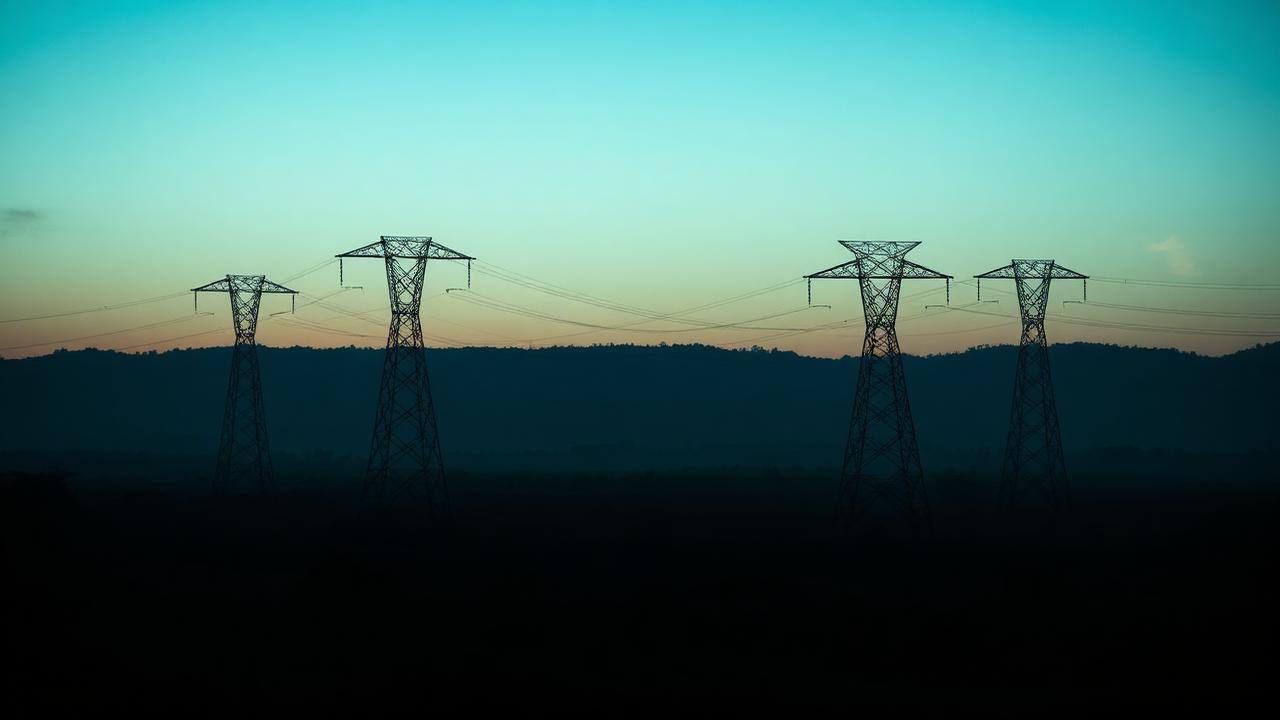
Every serious constraint in African power now terminates at the same place: the network. South Africa's connection queue holds more renewable capacity than the country's entire coal fleet, and it cannot be evacuated. Kenya curtails wind. Nigeria's grid is nominally capable of 8GW and reliably delivers half of that. Ethiopia has surplus generation and insufficient export capacity to monetise it.
This was predictable. Independent power projects are financeable because they have a discrete offtaker, a discrete asset and a discrete revenue line. Transmission has none of those properties. It is a public good with diffuse benefits, socialised cost recovery and a regulatory framework designed in an era when a single vertically integrated utility built everything.
Two structural fixes are in motion. The first is independent transmission projects — competitively tendered lines with availability-based payments. India built 40,000km this way. South Africa's programme is the first serious African attempt. The second is the power pools: SAPP, WAPP, EAPP and CAPP. Regional trade is the cheapest capacity available on the continent and the least visible in any dataset, because pool trading volumes are published almost exclusively as PDF annexes.
The financing implication is uncomfortable for the current architecture. Transmission does not suit the concessional-blended-private stack that dominates power finance, because there is no private operating risk to transfer at attractive returns without an availability payment backed by a utility that is, in many cases, not creditworthy. Which returns us to the balance-sheet problem that the IPP model was designed to route around and never solved.
Lake Turkana's turbines spun for two years before the line arrived. That is not an anecdote; it is the model.
Watch alongside
Video desk →More from the desk
The constraint was never capital. It is intermediation.
There is more institutional money looking for African infrastructure exposure than there are bankable transactions to absorb it. The gap is structural, and it sits in project preparation.
Op-edLobito is a test of whether corridors can carry more than copper
The West's flagship counter-offer to Chinese resource diplomacy will be judged on whether general freight and local power ever ride the line.
Data briefGulf capital is now a top-five financier of African infrastructure. No database tracks it.
Boston University tracks Chinese lending loan-by-loan. AidData goes further. For the UAE, Saudi Arabia and Qatar there is nothing comparable — and their commitments now rival the OECD bilaterals.