Sectors

Six systems that decide the continent's growth rate

Every sector file carries its own commitment series, subsector split, leader and laggard set, and the structural argument about what is actually binding.

Energy41% of commitments$34.2bn / yrgap $46bn

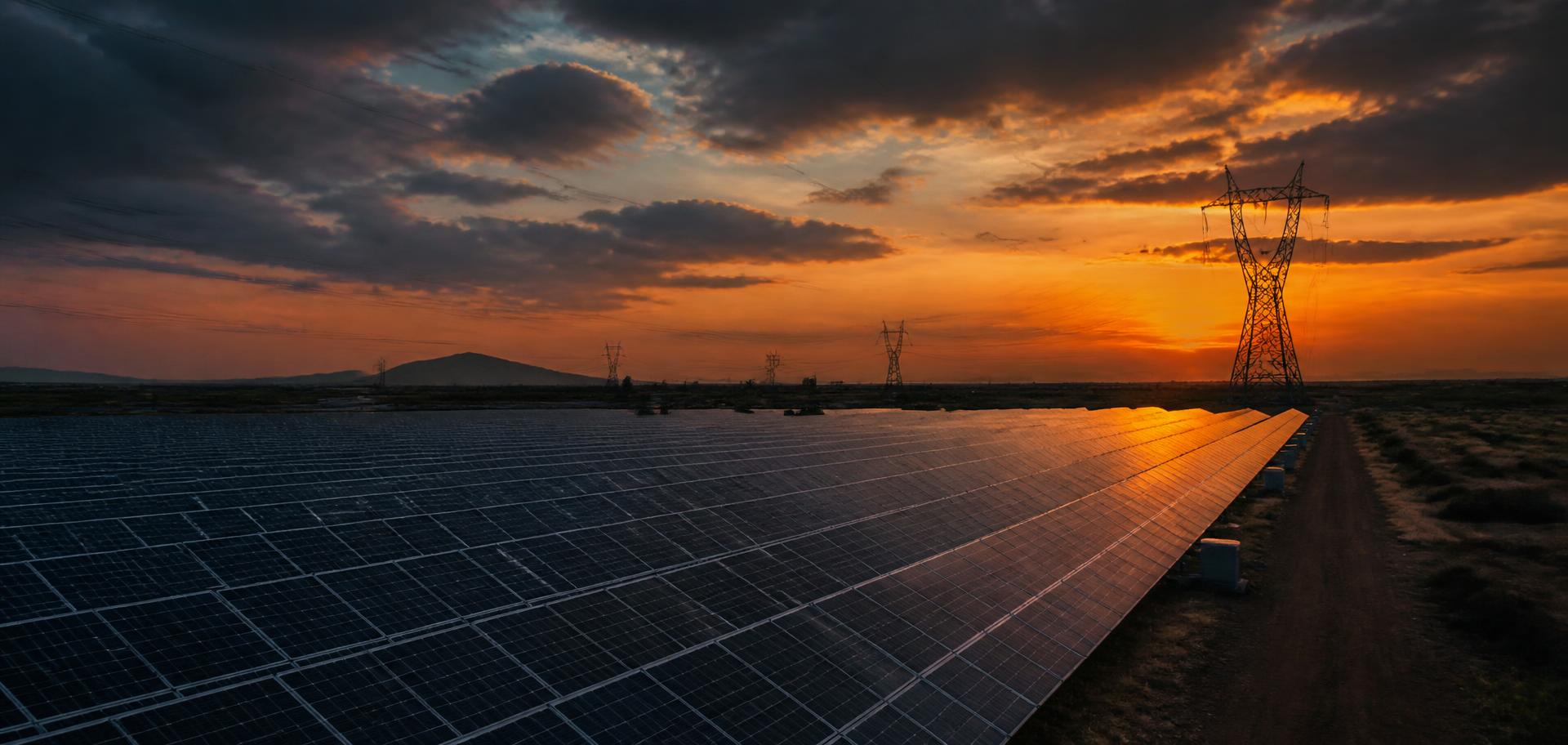
Power & Energy

Generation, transmission, access and the transition trade

Africa holds roughly 60% of the world's best solar resource and attracts around 3% of global energy investment. The binding constraint has moved decisively from generation to transmission, distribution and offtaker creditworthiness. Utility balance sheets — not project economics — determine whether a pipeline converts.

Open sector file
Transport27% of commitments$22.6bn / yrgap $32bn

Transport & Logistics

Ports, rail, roads, aviation and the corridor economy

Corridors, not countries, are the real unit of analysis. Lobito, Northern, Central, Abidjan-Lagos and Maputo determine landed costs for half the continent's tradeable output. Transit-time data published by corridor authorities is excellent and almost never used.

Open sector file
Digital14% of commitments$11.8bn / yrgap $12bn

Digital Infrastructure

Subsea cables, fibre, towers and data centres

The fastest-compounding asset class on the continent. 2Africa and Equiano transformed international bandwidth economics; the constraint has shifted inland to metro fibre, tower power and IX-adjacent compute capacity. AI demand is now a material driver of data-centre planning.

Open sector file
Water9% of commitments$7.4bn / yrgap $14bn

Water & Sanitation

Supply, treatment, irrigation and transboundary basins

Chronically underfinanced relative to burden of disease and economic loss. Utility creditworthiness is weaker than in power, tariffs are more politically constrained, and there is no equivalent of the IPP model at scale — although desalination in North Africa is the closest thing.

Open sector file
Minerals6% of commitments$5.1bn / yrgap $9bn

Minerals & Resource Corridors

Critical minerals, beneficiation and the infrastructure they demand

Copper, cobalt, lithium, bauxite, iron ore and rare earths are pulling rail, port and power capacity behind them. The policy fight is whether resource corridors carry general freight and power local industry, or function as single-purpose export conveyors.

Open sector file
Urban3% of commitments$4.3bn / yrgap $11bn

Urban & Social Infrastructure

Housing, mass transit, health and education assets

Africa will add roughly 900 million urban residents by 2050. Municipal balance sheets cannot carry that build. Sub-sovereign finance, land-value capture and municipal bond markets are the unglamorous instruments that decide whether cities function.

Open sector file