What Ghana's take-or-pay bill should have taught everyone
Contracting for capacity you cannot evacuate or sell is the most expensive mistake in African power. It keeps being repeated.
Editorial Desk · INFRA/CORE
 Analysis
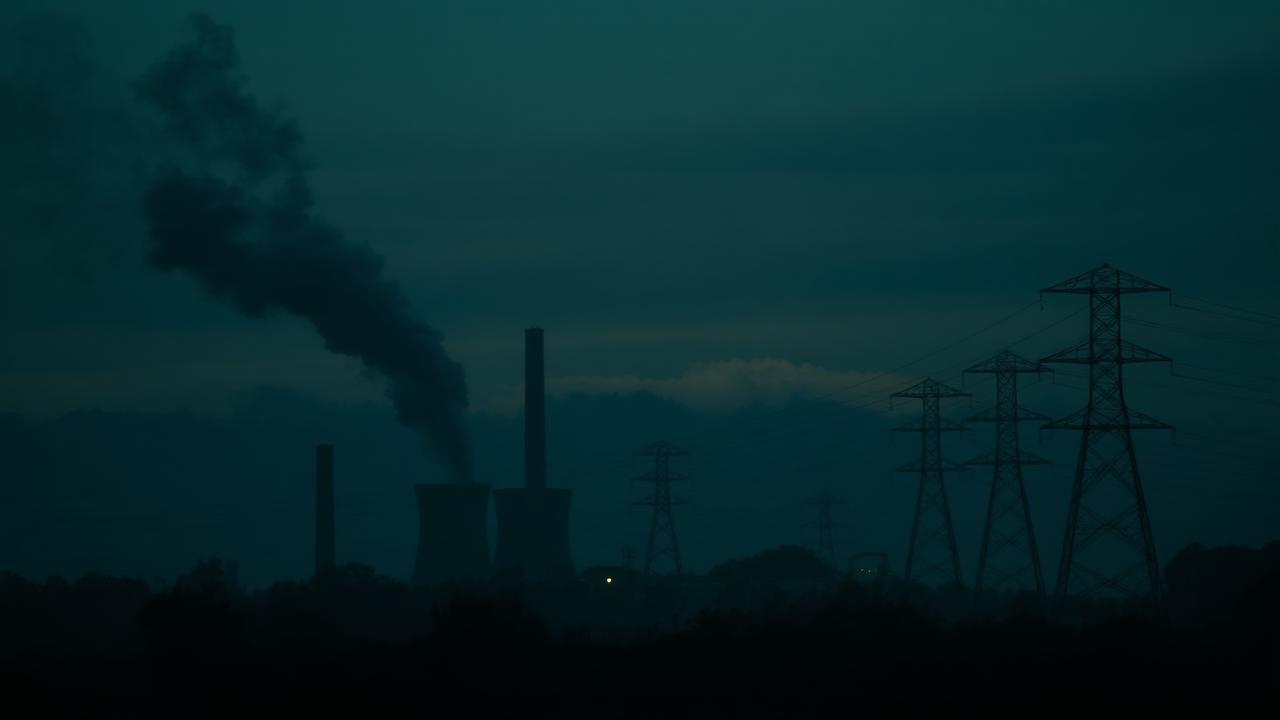
Ghana contracted more generation capacity than its network could deliver or its consumers could pay for, on take-or-pay terms, in dollars. The excess-capacity charge has run into the hundreds of millions of dollars annually — paid for electricity never generated.
The mechanics were not exotic. Load-growth forecasts were optimistic, procurement was unsolicited rather than competitive, and there was no single institution with both the mandate and the data to say no. Each individual PPA was defensible. The portfolio was not.
The transferable lesson is about portfolio-level contracting discipline, and it applies with force to several markets currently in an aggressive procurement phase. Competitive tendering fixes price. It does not fix quantity.
Watch alongside
Video desk →More from the desk
The constraint was never capital. It is intermediation.
There is more institutional money looking for African infrastructure exposure than there are bankable transactions to absorb it. The gap is structural, and it sits in project preparation.
AnalysisThe transmission decade
Twenty years of generation-led financing has produced a continent with power it cannot move. Wires, not megawatts, are the 2030 story.
Op-edLobito is a test of whether corridors can carry more than copper
The West's flagship counter-offer to Chinese resource diplomacy will be judged on whether general freight and local power ever ride the line.